


- Introduction: Why This Stage Matters So Much
- Understanding Early Childhood Education in Thailand
- Types of Preschools & Kindergartens (And Who They Fit)
- Curriculum & Teaching Approaches (What a Day Looks Like)
- Kindergarten Fees in Thailand: What to Expect (and What’s Included)
- Admissions: Timeline, Documents, and Age Cut-Offs
- What “Quality” Looks Like (So You Can Spot It on a Tour)
- Language Options: Thai-First, Bilingual, or International?
- Daily Routines & The Power of Play
- Health, Safety, and Well-Being
- Family Partnerships: You’re Not “Just the Parent,” You’re the Co-Teacher
- School Readiness: Gentle Steps You Can Start Today
- Regional Highlights: Bangkok, Chiang Mai, Phuket, Pattaya
- Budgeting Smartly: Total Cost of Enrollment
- Touring Like a Pro: 15 Questions to Ask
- Red Flags to Notice
- Mini Case Studies: Three Parent Priorities, Three Good Fits
- Quick Checklist: Choosing Your Best-Fit School
- Conclusion: A Confident Start
- ❓ FAQs
Introduction: Why This Stage Matters So Much
If you’re raising little ones here, you’ve already felt how big the early years are. Brains are wiring rapidly, language blooms, and routines begin to shape confidence. In this guide to early childhood education in Thailand, we’ll decode the system, compare school types, unpack admissions, and demystify kindergarten fees in Thailand. We’ll also map how curricula (Thai, bilingual, international) prioritize play, social-emotional growth, and foundational literacy. Whether you live in Bangkok, Chiang Mai, Phuket, Pattaya, or upcountry, this is your parent-friendly handbook to early childhood education in Thailand—from choosing a preschool to planning fees, schedules, and readiness at home.
Understanding Early Childhood Education in Thailand
Early childhood education in Thailand typically covers nursery, preschool, and kindergarten (อนุบาล), usually from ages 2–6. Most families look for a nurturing environment where play drives learning, teachers guide social skills, and the day flows with clear routines. Parents often compare preschool in Thailand options against goals like language exposure (Thai-only, bilingual, English-forward), class size, and commute.
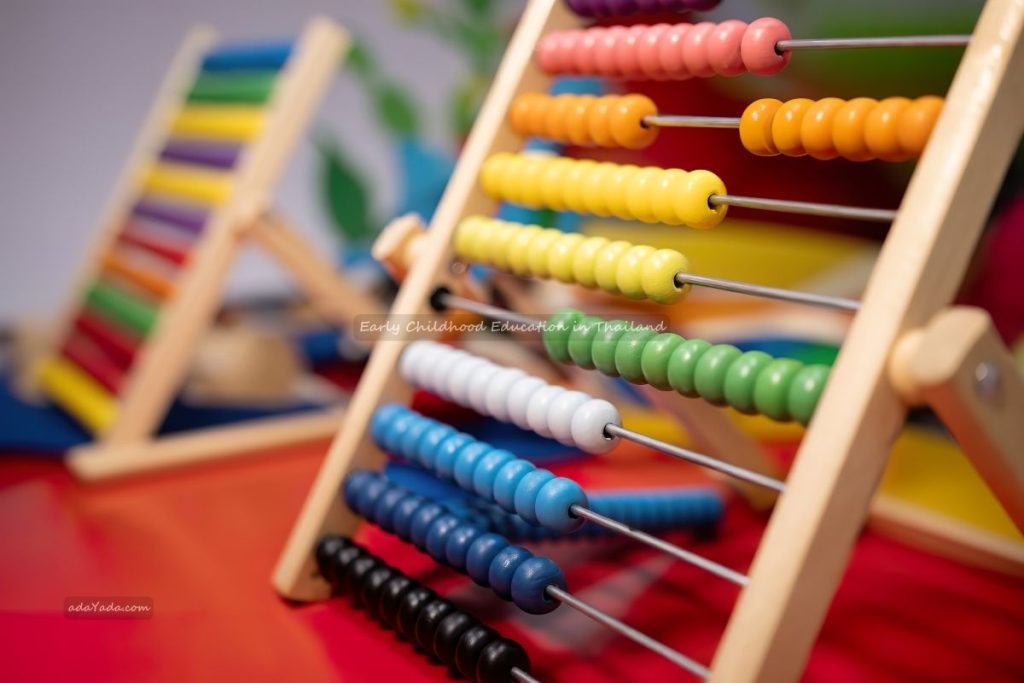
In the Thai system, the early childhood curriculum in Thailand emphasizes whole-child development: physical, cognitive, language, social-emotional, and moral. In practice, that means songs and storytelling, movement and art, center-based activities, outdoor play, and plenty of teacher-led conversation. Many programs blend Thai culture—wai greetings, respect for elders, mindfulness around routines—with modern play-based learning in Thailand, giving children structure without sacrificing curiosity.
One common parent question: “Does early childhood education in Thailand differ much from international early years?” The essence is similar—attachment, exploration, language, and self-regulation. The main differences you’ll notice are language emphasis, assessment style, school calendar, and the degree of parent-school communication. If you’re an expat family or you want a bilingual path toward primary, you’ll find plenty of choice.
Types of Preschools & Kindergartens (And Who They Fit)
When you start touring, you’ll see three broad categories:
- Thai Government and Private Thai Schools
These follow Thai MOE guidance and are often the most budget-friendly. Many have warm communities, recognizable routines, and strong Thai language environments. If your goal is continuity into Thai primary, this can be a seamless path in early childhood education in Thailand. - International and Bilingual Schools
International schools (British, American, IB) and bilingual programs mix Thai culture with English-medium instruction. You’ll find child-led inquiry, project work, and strong parent communications. These are popular with families prioritizing global curricula and diverse classrooms. They’re also a major driver of kindergarten fees in Thailand because tuition is generally higher. - Alternative Pedagogies: Montessori, Reggio Emilia, Waldorf
- Montessori schools in Thailand emphasize independence and hands-on materials.
- Reggio Emilia-inspired programs center creativity and the “100 languages” of children.
- Waldorf focuses on rhythm, art, imagination, and delayed formal academics.
If your philosophy leans toward child agency and rich environments, these are excellent fits within early childhood education in Thailand.
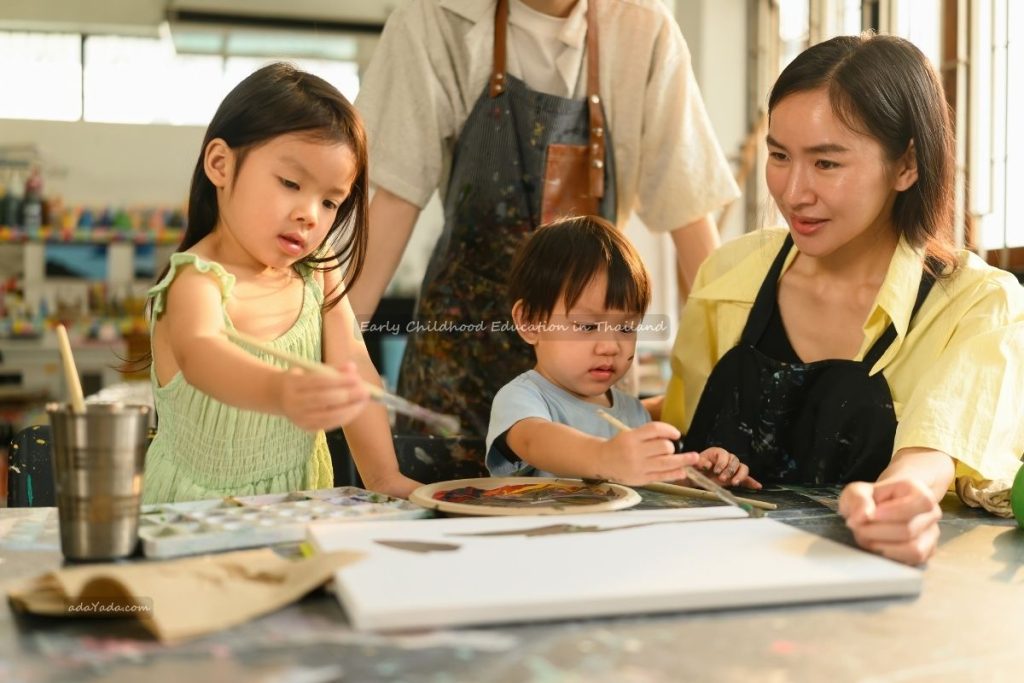
Tip: During tours, ask about teacher training, assistant-to-child ratios, language model (e.g., 70/30 Thai-English), outdoor time, and how behavior guidance and transitions are handled.
“benefits of Montessori homeschooling Top 10 Benefits of Montessori Homeschooling for Kids.”
Curriculum & Teaching Approaches (What a Day Looks Like)
Most quality programs balance predictable routines with playful exploration. A typical day might include: morning welcome and circle time, movement, centers (blocks, dramatic play, art, sensory bins), story/literacy, snack, outdoor play, lunch, rest, and quiet centers. Good teachers draw language and thinking from every moment—lining up becomes counting practice; snack becomes a chance to discuss textures and gratitude.
Key elements you’ll hear about in early childhood education in Thailand:
- Play-Based Learning: Children build executive function (focus, flexibility, self-control) through play.
- Social-Emotional Learning: Naming feelings, solving problems with peers, and building empathy.
- Pre-literacy & Numeracy: Rhymes, phonemic awareness, letter/sound play, counting in routines.
- Language Exposure: Thai-first, Thai+English, or English-medium depending on the program.
- Cultural Weaving: Thai customs (wai, collective responsibility) are often integrated naturally.
If a school claims a philosophy—Montessori, Reggio, IB PYP—ask how it shows up in classrooms, teacher planning, and environments. Authentic programs show consistency across rooms and ages.
Kindergarten Fees in Thailand: What to Expect (and What’s Included)
The question on many parents’ minds is kindergarten fees in Thailand—and the short answer is “it depends.” Costs vary by city, school type, and extras (transport, meals, uniforms, field trips). Here’s how to think about it:
- Government/Community Settings: Often the lowest tuition; some costs may be subsidized. Expect modest fees for uniforms, supplies, and meals.
- Private Thai Programs: Typically mid-range; look for clear itemization of lunch, snacks, transportation, and activity fees.
- International/Bilingual Schools: Higher tuition reflects staffing (native English-speaking teachers), facilities, extracurriculars, and smaller ratios. Many list kindergarten fees in Thailand by term and publish schedules for application, enrollment, and annual charges.
“advantages of bilingual education The Benefits of Bilingual Education.”
Fee Checklist to Request
- Tuition by term or year
- Application and registration fees
- Deposit and refund policy
- Uniforms and supplies
- Meals and snacks (is it included?)
- Transportation costs (if any)
- Field trips, special events, and extracurriculars
- After-school care fees
City Snapshots (General Tendencies)
- Bangkok: The widest spectrum—from budget Thai programs to premium international tuition. Location (Sukhumvit, Sathorn) influences costs.
- Chiang Mai: A strong mix of community schools and bilingual/international options; fees often slightly lower than Bangkok.
- Phuket/Pattaya: International demand from hospitality and expat sectors creates varied pricing; ask how term length and holiday periods affect billing.
When comparing kindergarten fees in Thailand, look beyond the headline number. Ask about teacher qualifications, assistant support, class size, and outdoor space; these often correlate with quality and day-to-day happiness.
Admissions: Timeline, Documents, and Age Cut-Offs
Admissions in early childhood education in Thailand are usually straightforward, but calendars differ. Many schools accept rolling applications; popular programs may have waitlists.
Typical Steps
- Inquiry & Tour: Book online or by phone; plan to observe during class time if possible.
- Application: Submit form, child’s birth certificate/passport, parent IDs, and photos.
- Readiness Session: Short play assessment or trial morning to see fit and comfort.
- Offer & Enrollment: Pay registration, deposit, and secure a start date.
Documents & Health
- Immunization records
- Health history and allergy plans
- Emergency contacts and authorized pick-up list
- Any assessment reports for additional needs (so schools can support well)
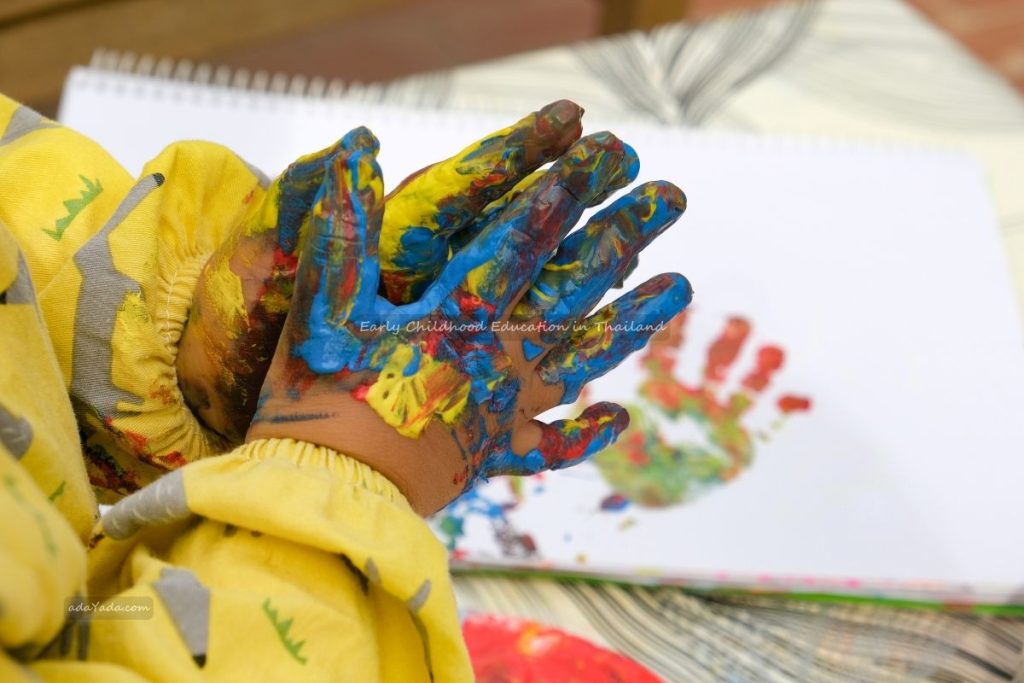
Age cut-offs vary; ask the registrar how birthdays map to class placement and whether mid-year entry is possible. For bilingual and international programs, confirm whether an English language assessment is required, and how children are supported if they’re new to the language.
What “Quality” Looks Like (So You Can Spot It on a Tour)
The heart of early childhood education in Thailand is relational: children thrive when they feel safe, seen, and challenged just enough. As you visit schools, look for:
- Warm, Responsive Teachers: Adults kneel to child level, acknowledge feelings, scaffold problem-solving, and celebrate effort, not just outcomes.
- Purposeful Environments: Clearly labeled centers, accessible materials, children’s work displayed with captions, cozy reading corners, and safe outdoor play.
- Balanced Schedule: Long blocks for play, not constant transitions. Room for movement, art, and quiet time.
- Small Group Work: Teachers rotate among centers, asking open questions that stretch thinking (“What else could we try?”).
- Safety & Hygiene: Clean bathrooms, hand-washing routines, secure entries, and clear sick-day policies.
- Nutrition: Menus with fruits, vegetables, and balanced portions; drinking water easily accessible.
- Communication: Weekly updates, photos (with permissions), and clear channels for questions.
- Assessment: Observational notes and portfolios rather than heavy testing; feedback focused on growth.
Ask to see outdoor areas, nap spaces, and lunch routines. These “in-between” times reveal how calmly and kindly a day flows.
Language Options: Thai-First, Bilingual, or International?
Language is often the deciding factor for families navigating early childhood education in Thailand. Consider your long-term plan:
- Thai-First: Ideal if you plan to continue in the Thai system or want strong Thai literacy early.
- Bilingual: Offers Thai-English exposure; great for mixed-language households and flexible primary pathways.
- English-Medium/International: Useful if you expect overseas moves or desire international curricula from the start.
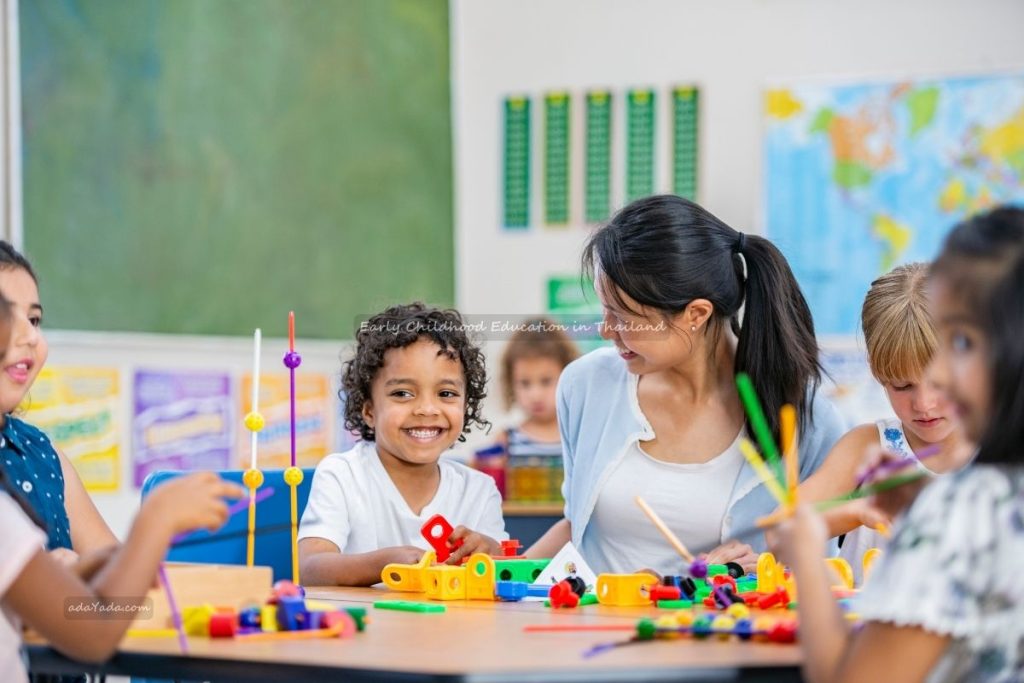
Questions to ask: What is the daily ratio of Thai to English? Are there dedicated language blocks or integrated language across play? How do teachers support children new to one of the languages?
Daily Routines & The Power of Play
In excellent classrooms, play is the engine. It’s not “just fun”: it’s how children test ideas, build vocabulary, negotiate with peers, and manage emotions. Within early childhood education in Thailand, play often blends culture—Thai stories and songs, celebrations of local festivals, and respect for shared spaces—with science, math, and art provocations.
Look for intentional planning: Are centers refreshed with new challenges? Do teachers rotate materials to extend interests? Are children given chances to plan, do, and review?
Health, Safety, and Well-Being
Parents naturally ask how early childhood education in Thailand handles health. Check:
- Illness Policies: Clear criteria for staying home and returning to school.
- Allergy Protocols: Separate prep areas, staff training, and EpiPen awareness.
- Security: Visitor logs, ID checks, and supervised handovers.
- Rest & Movement: Nap areas with clean bedding; daily outdoor time.
- Toileting: Support for potty training with dignity and patience.
A school’s responses here show values in action: calm routines, prevention, and respect for family preferences.
Family Partnerships: You’re Not “Just the Parent,” You’re the Co-Teacher
The best outcomes in early childhood education in Thailand come when school and home pull together. Ask how the program involves families:
- Orientation and transition plans
- Parent education sessions (sleep, nutrition, screen time, behavior)
- Home-school projects that celebrate family culture and languages
- Transparent updates and responsive feedback loops
You should feel welcome to share what works at home and to ask for strategies when new behaviors pop up.
School Readiness: Gentle Steps You Can Start Today
Readiness isn’t a race; it’s about confidence in the small things. At home you can:
- Ritualize Routines: Wake-up, meals, and bedtime predictability.
- Talk and Read Daily: Stories, conversation, and songs grow vocabulary across languages.
- Practice Independence: Shoes, zippers, lunch boxes—little victories build pride.
- Name Feelings: “You’re frustrated—let’s take three dragon breaths.”
- Play Together: Blocks, pretend play, drawing—follow your child’s lead.
These habits supercharge any program within early childhood education in Thailand and ease transitions to primary school.
Regional Highlights: Bangkok, Chiang Mai, Phuket, Pattaya
Where you live shapes options and kindergarten fees in Thailand:
- Bangkok: The broadest choice. Neighborhoods like Sukhumvit and Sathorn host numerous bilingual and international programs. Tour widely, watch traffic patterns, and ask about staggered start times.
- Chiang Mai: Loved for community feel and green spaces; many schools lean bilingual with strong nature play.
- Phuket & Pattaya: Internationally diverse cohorts, year-round tourism rhythms, and a spread of tuition points. Confirm calendar length and holiday coverage when comparing kindergarten fees in Thailand.
No matter the city, prioritize commute sanity. A short ride = a calmer start and end to the day.
Budgeting Smartly: Total Cost of Enrollment
When families plan for early childhood education in Thailand, they often overlook add-ons. Build a simple spreadsheet and include:
- Tuition (term/year)
- Application/registration fees
- Deposit (and refund rules)
- Uniforms and spares
- Meals/snacks (if not included)
- Transport
- Supplies and activity kits
- Camps and after-school care
- Field trips / special events
Compare apples to apples by calculating a true monthly total. If a school publishes kindergarten fees in Thailand per term, translate that into a monthly figure for easier family budgeting.
Touring Like a Pro: 15 Questions to Ask
- How do you define learning in the early years?
- What does a typical day look like?
- Teacher qualifications and ongoing training?
- Ratio of lead teachers to assistants?
- How is behavior guided?
- How much unstructured outdoor time is scheduled?
- How is language exposure managed (Thai/English)?
- How do you support newcomers who speak little Thai/English?
- How are children assessed and progress shared with families?
- What health and safety protocols are in place?
- How are allergies handled?
- What are the real monthly costs beyond tuition?
- How do you handle separation anxiety and transitions?
- How do you include families and culture in learning?
- What sets your program apart in early childhood education in Thailand?
Take notes right after each tour—first impressions fade, and details blur.
Red Flags to Notice
- Overly academic worksheets replacing play
- Little child talk; mostly teacher talk
- Chaotic transitions and frequent tears without soothing
- Limited outdoor time or cramped spaces
- Vague answers about fees, staffing, or safety
- Minimal family communication
Quality in early childhood education in Thailand is visible: calm classrooms, purposeful play, and teachers who are present, curious, and kind.
Mini Case Studies: Three Parent Priorities, Three Good Fits
- Thai-First With Community Roots
A family planning Thai primary chooses a government-affiliated program close to home. Costs are manageable; grandparents can join cultural events. The child’s Thai literacy grows steadily within early childhood education in Thailand. - Bilingual Bridge
A mixed-language household picks a bilingual preschool with daily Thai-English exposure. Parents love the newsletters and portfolios. Fees sit mid-range relative to other kindergarten fees in Thailand. - International Mobility
A family expecting global moves selects an IB-aligned program. Tuition is higher, but inquiry projects, small groups, and robust pastoral care deliver a great fit within early childhood education in Thailand.
Quick Checklist: Choosing Your Best-Fit School
- [ ] We visited at least 3 programs
- [ ] Commute is under 30 minutes each way
- [ ] Classrooms felt calm and joyful
- [ ] Outdoor play is daily and meaningful
- [ ] Teachers engaged children at eye level
- [ ] Fees are transparent and sustainable
- [ ] Communication felt open and respectful
- [ ] Our child seemed comfortable during the visit
If you can tick these boxes, you’re close to a strong choice.
Conclusion: A Confident Start
The early years are precious, and Thailand offers a rich landscape of options. Use tours to feel the vibe, compare pedagogy, and uncover the full budget picture. When you understand how early childhood education in Thailand works—its school types, language models, daily routines, and kindergarten fees in Thailand—you can make a decision that fits your child and your family. Trust your observations, ask direct questions, and choose the place where your child’s curiosity lights up. That spark is the best sign you’ve found your home in early childhood education in Thailand.
❓ FAQs
1. What is early childhood education in Thailand?
Early childhood education in Thailand covers nursery, preschool, and kindergarten for ages 2–6, focusing on play-based learning, social-emotional growth, and cultural values. Parents can choose between Thai, bilingual, and international programs.
2. How much are kindergarten fees in Thailand?
Kindergarten fees in Thailand vary widely. Government and community schools may charge modest costs, while private and international programs can range higher due to facilities, bilingual staff, and smaller class sizes. Always compare full tuition plus uniforms, meals, and transport.
3. What curriculum is used in Thai preschools?
Most schools follow the early childhood curriculum in Thailand (MOE 2017), emphasizing whole-child development. International schools may use British, American, or IB frameworks, while Montessori and Reggio Emilia programs highlight creative, child-led approaches.
4. What age do children start kindergarten in Thailand?
Children typically enter preschool at age 2–3 and move into kindergarten (อนุบาล) from 3–6 years. Exact placement depends on school policies and cut-off dates. Always confirm with admissions before applying.
5. How do I choose the best preschool in Thailand?
Visit multiple schools, observe classrooms, and ask about teacher-student ratios, safety, outdoor play, and communication. Look at both quality and kindergarten fees in Thailand to balance budget and child needs. Short commutes and warm, responsive teachers are strong indicators of fit.