







- What Parents Should Know About Buying Kids Clothes In Thailand
- Understand Thai Children’s Clothing Sizes
- Take Your Child’s Measurements Before Shopping
- Choose Clothes For Thailand’s Climate
- Prepare For Strong Air Conditioning
- Think About Sun Protection
- Plan For Thailand’s Rainy Season
- Check Fabric Comfort And Quality
- Avoid Unsafe Decorative Details
- Consider How Easy Clothes Are To Wash
- Where To Buy Kids Clothes In Thailand
- Compare Price With Expected Use
- Buying School And Nursery Clothes
- Choosing Shoes For Children
- Consider Secondhand Children’s Clothing
- Avoid Buying Too Much At Once
- Let Older Children Share Their Preferences
- Common Mistakes To Avoid
- Practical Shopping Checklist
- Conclusion
- FAQ
- Are children’s clothing sizes in Thailand smaller?
- What fabric is best for children in Thailand?
- Where can parents find affordable kids clothes?
- Should children wear long sleeves in Thailand?
- Is it safe to buy children’s clothes at Thai markets?
- Should new children’s clothes be washed before use?
- Is online shopping reliable for children’s clothes in Thailand?
- How many clothes should parents buy?
What Parents Should Know About Buying Kids Clothes In Thailand
Buying children’s clothing can feel simple until parents need to compare unfamiliar sizes, fabrics, shops, and prices. Buying Kids Clothes In Thailand also involves thinking about the tropical climate, sudden rain, strong sunlight, air-conditioned indoor spaces, school requirements, and how quickly children grow.
Thailand offers many shopping options for families. Parents can find children’s clothes in large shopping malls, local markets, department stores, independent shops, supermarkets, outlet stores, and online marketplaces. The selection can range from inexpensive everyday outfits to international children’s brands.
The best choice is not always the cheapest or most fashionable item. Comfortable fabric, practical sizing, safe details, easy washing, and suitability for Thailand’s weather often matter more.
This guide explains what parents should know before Buying Kids Clothes In Thailand, whether they live in the country or are visiting with children.
👉 “Families shopping for children’s clothes may also explore these theme parks and family-friendly attractions in Thailand for more ideas on where kids can wear comfortable activity-ready outfits.”
Understand Thai Children’s Clothing Sizes
Children’s clothing sizes in Thailand are not always consistent. Some stores use age-based sizes, while others use height measurements, letters, or regional sizing systems.
A shirt marked for a four-year-old may fit differently depending on the brand, fabric, and manufacturer. Imported clothing may use European, American, British, Japanese, Korean, or Chinese sizing.
When Buying Kids Clothes In Thailand, avoid relying only on the age printed on the label. Check measurements whenever possible.
Useful measurements include:
- Height
- Chest
- Waist
- Hips
- Shoulder width
- Inside leg
- Foot length
Height-based sizing is often more reliable than age-based sizing. For example, a label showing 110 centimetres usually gives parents more useful information than a label saying “age five.”
If your child is between sizes, choosing the larger option may provide more comfort and allow room for growth. However, very loose clothes can become uncomfortable or unsafe during active play.
Take Your Child’s Measurements Before Shopping
Parents can save time by measuring their child before visiting shops or ordering online. Write the measurements in your phone so they are easy to check while shopping.
Measure over light clothing and avoid pulling the measuring tape too tightly. For trousers, check both the waist and leg length. For tops and dresses, chest width and total length are useful.
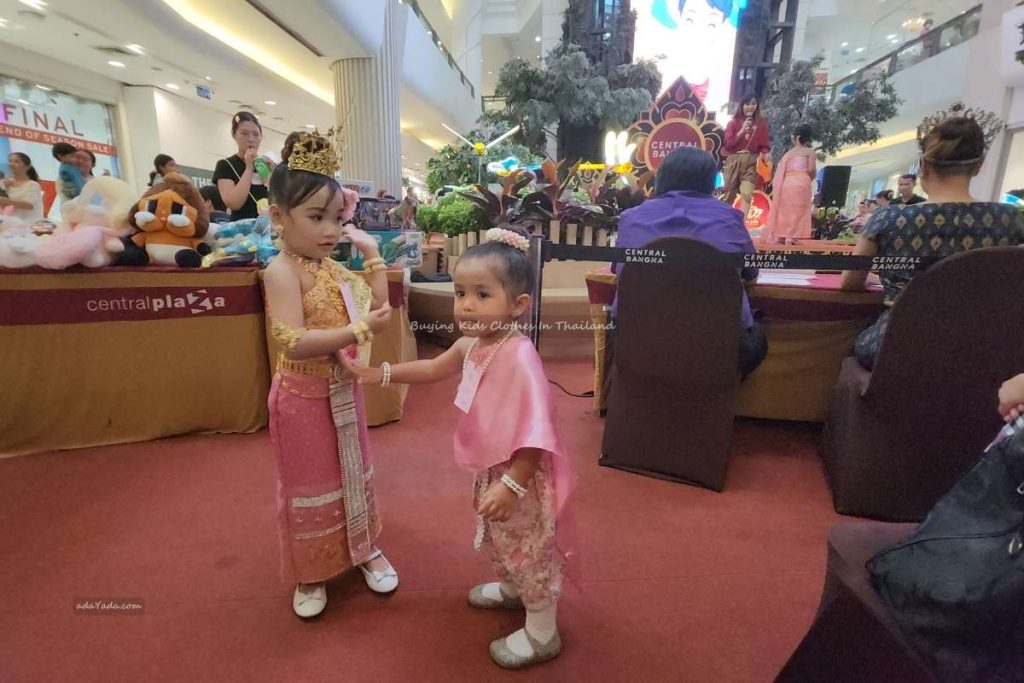
For shoes, measure both feet because one foot may be slightly larger. Use the larger measurement when choosing a size.
Online size charts are especially important when Buying Kids Clothes In Thailand through websites or shopping apps. Never assume that the same size will fit across different sellers.
Choose Clothes For Thailand’s Climate
Thailand is warm and humid for much of the year. Children may become hot quickly, especially when walking, playing outside, visiting markets, or travelling.
Lightweight and breathable clothing is usually the most practical choice. Cotton is popular because it can feel soft and comfortable, although some cotton garments become heavy when wet. Lightweight cotton blends may dry more quickly.
Good everyday options include:
- Loose cotton T-shirts
- Lightweight shorts
- Breathable dresses
- Thin trousers
- Comfortable skirts
- Light pyjamas
- Soft underwear
- Easy-drying sportswear
Avoid very thick fabrics for normal daytime use unless the child will spend most of the day inside a strongly air-conditioned building.
The climate should be one of the main considerations when Buying Kids Clothes In Thailand. An attractive outfit may remain unused if it feels too hot, tight, or heavy.
Prepare For Strong Air Conditioning
Although Thailand is hot outdoors, shopping malls, cinemas, hospitals, restaurants, airports, and some public transport can feel cold.
A lightweight cardigan, thin jacket, or long-sleeved top can help children stay comfortable when moving between outdoor heat and air-conditioned spaces.
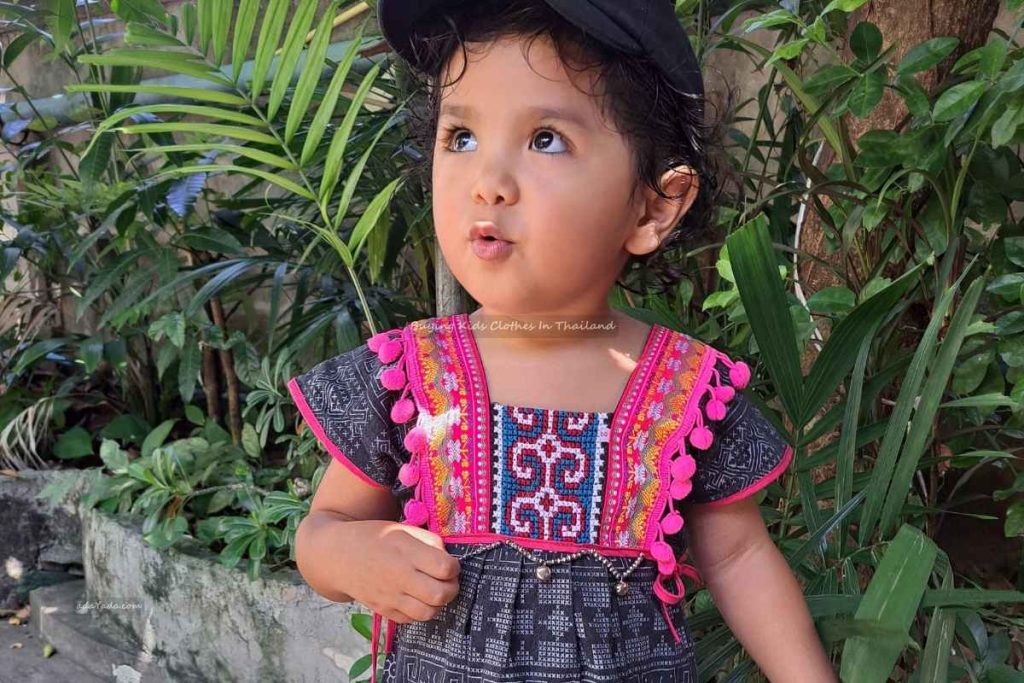
Parents do not usually need heavy winter clothing for daily life in most parts of Thailand. A small number of light layers are often enough.
Families travelling to mountainous areas in northern Thailand during the cooler months may need warmer clothing, particularly in the morning and evening.
Think About Sun Protection
Children may spend a lot of time outdoors at parks, beaches, temples, markets, school activities, or family attractions. Clothing can provide an additional layer of sun protection.
Consider:
- Lightweight long-sleeved shirts
- Sun hats with wide brims
- Rash guards for swimming
- Breathable long trousers
- Clothes covering the shoulders
- UV-protective swimwear
Darker and tightly woven fabrics may offer more coverage, but they can also feel warmer. Parents need to balance sun protection with comfort in hot weather.
For beach visits, quick-drying swimwear and a spare dry outfit are useful. Wet clothes should not be left on children for longer than necessary if they become uncomfortable.
Plan For Thailand’s Rainy Season
Sudden rain is common during parts of the year. Children may need clothing that dries easily and can handle splashes, mud, and repeated washing.
Useful rainy-season items include:
- Lightweight raincoats
- Quick-drying shorts
- Sandals with secure straps
- Spare socks
- An extra outfit in the family bag
- Waterproof bags for wet clothing
Heavy waterproof jackets may feel too hot in Thailand. Lightweight rain protection usually works better.
When Buying Kids Clothes In Thailand, parents should also consider whether the fabric will dry efficiently indoors. Thick denim and heavy cotton may take longer to dry during humid weather.
Check Fabric Comfort And Quality
Softness matters, particularly for babies and young children. Check the inside of the garment for rough seams, stiff labels, loose threads, hard decorations, or uncomfortable elastic.
Rub the fabric gently between your fingers. Very thin material may lose shape quickly, while very stiff fabric may feel uncomfortable in hot weather.
Check whether colours appear likely to run during washing. Brightly dyed market clothing can sometimes release colour, so washing new items separately at first may be sensible.
Parents should also look at:
- Stitching around seams
- Strength of buttons and fasteners
- Quality of zippers
- Elastic waistbands
- Printed designs
- Fabric thickness
- Care labels
Low-cost clothing can still be practical, but inspecting it carefully helps parents avoid items that may wear out after only a few washes.
Avoid Unsafe Decorative Details
Young children may pull at buttons, beads, sequins, bows, cords, and other decorations. Loose small parts can create safety concerns.
Inspect clothes for:
- Loose buttons
- Long neck cords
- Decorative beads
- Detachable accessories
- Sharp zipper edges
- Unsecured sequins
- Tight elastic
- Rough metal decorations
Simple clothing is often easier for active children to wear and for parents to wash.
For babies, prioritise soft fabrics, secure fasteners, and uncomplicated designs. Comfort and safety are more important than decorative details.
Consider How Easy Clothes Are To Wash
Children’s clothing may need frequent washing because of food, sweat, sand, paint, mud, or outdoor play.
Check the care label before purchasing. Everyday clothes that require hand washing, special detergent, or dry cleaning may not be practical for busy families.
Machine-washable clothes that hold their shape and dry quickly are often the best option when Buying Kids Clothes In Thailand.
Parents may also prefer colours and patterns that do not show every small stain. White clothing can look attractive but may require more cleaning.
Wash new children’s clothes before the first use when possible. This can remove dust, excess dye, and residue from storage or handling.
Where To Buy Kids Clothes In Thailand
Families can choose from several types of shops. Each option has different advantages.
Shopping Malls
Large malls usually offer comfortable shopping, fitting rooms, clear prices, and a mix of Thai and international brands. They are convenient for families because they often have restaurants, toilets, changing facilities, and indoor play areas.
Mall clothing may cost more than similar items at markets, but returns and exchanges may be easier.
Department Stores
Department stores commonly sell babywear, school clothes, shoes, sportswear, underwear, and branded children’s fashion. Seasonal promotions can provide good value.
Parents may also find staff who can help with sizing and product questions.
Local Markets
Markets can be useful for affordable everyday outfits, pyjamas, T-shirts, shorts, dresses, and accessories.
Prices may be lower, but fitting rooms, return policies, and consistent sizing may be limited. Inspect every item before paying.
At some markets, polite bargaining may be possible, particularly when purchasing several items. Fixed-price stalls may not negotiate.
Supermarkets And Hypermarkets
Large supermarkets and hypermarkets often have practical children’s clothing at moderate prices. These can be useful for basic T-shirts, shorts, underwear, sleepwear, school items, and seasonal products.
Independent Children’s Shops
Small shops may specialise in baby clothes, handmade products, organic fabrics, Thai designs, or imported brands. Prices and quality vary, but these stores can offer more distinctive items.
Online Shopping
Online platforms provide a large selection, but sizing and quality can be difficult to judge.
Before ordering, check:
- The seller’s size chart
- Customer photographs
- Recent reviews
- Fabric description
- Delivery time
- Return conditions
- Seller ratings
- Whether measurements are in centimetres
Online shopping can be convenient, but parents should avoid buying large quantities from an unfamiliar seller before checking the fit and quality of one item.
Compare Price With Expected Use
Children grow quickly, so expensive clothing is not always practical for everyday use. Parents may want to spend more on items that need good fit, durability, or comfort, while choosing budget-friendly options for play clothes.
A balanced wardrobe might include:
- Affordable clothes for messy play
- Durable clothes for school or nursery
- Comfortable outfits for travel
- A few smarter outfits
- Quality shoes
- Suitable swimwear
- Sun-protective clothing
The lowest price does not always represent the best value. A garment that lasts through many washes may be more economical than a cheaper item that quickly loses shape.
Buying School And Nursery Clothes
Schools and nurseries in Thailand may have specific uniform requirements. Parents should confirm the exact colours, design, logo, socks, shoes, and sports clothing before purchasing anything.
Many schools recommend particular shops or sell uniform items directly. Avoid guessing based on another school’s uniform because requirements can vary.
Children may need several sets because hot weather can make uniforms sweaty. Extra shirts, socks, and underclothes can make weekly routines easier.
Labels with the child’s name are useful for school, nursery, swimming lessons, and activity classes.
Choosing Shoes For Children
Shoes should fit securely without pressing the toes. Children need enough room for movement, but oversized shoes can cause slipping and discomfort.
For everyday use in Thailand, families may need:
- Breathable trainers
- Secure sandals
- School shoes
- Easy-to-clean play shoes
- Water-friendly footwear
- Indoor shoes if required
Flip-flops can be convenient for short trips, but they may not provide enough support or security for running, climbing, or long walks.
When Buying Kids Clothes In Thailand, remember to include suitable footwear in the overall budget. Well-fitting shoes often matter more than having many pairs.
Consider Secondhand Children’s Clothing
Secondhand clothes can be an economical and environmentally responsible choice because children often outgrow items before wearing them out.
Parents may find secondhand clothes through community groups, family networks, online marketplaces, charity shops, and local resale businesses.
Inspect used clothing for stains, damaged fasteners, stretched elastic, rough fabric, and missing parts. Wash everything before use.
Shoes require extra care because they may already have shaped around another child’s feet. Clothing is generally easier to reuse than heavily worn footwear.
Avoid Buying Too Much At Once
It can be tempting to buy many inexpensive outfits, particularly at markets or during sales. However, children may grow faster than expected or refuse to wear certain fabrics and styles.
Start with a practical selection and observe what the child uses most often.
A simple wardrobe for Thailand usually benefits from:
- Several lightweight tops
- Comfortable shorts
- A few light trousers or dresses
- Sleepwear
- Underwear and socks
- Swimwear
- A sun hat
- A light layer for air conditioning
- Rain protection
- Suitable shoes
Buying fewer practical items may be better than filling a wardrobe with clothes that are rarely worn.
Let Older Children Share Their Preferences
Children are more likely to wear clothes they find comfortable and like. Older children can help choose colours, patterns, and styles within the family budget.
Parents can still check weather suitability, quality, modesty requirements, and practicality.
Giving children limited choices can make shopping easier. For example, parents might select three suitable shirts and let the child choose one.
Common Mistakes To Avoid
Parents sometimes make avoidable mistakes when Buying Kids Clothes In Thailand.
Common examples include:
- Choosing size only by age
- Buying fabrics that are too thick
- Ignoring return conditions
- Ordering online without checking measurements
- Buying too many items before testing the fit
- Choosing fashion over comfort
- Forgetting air-conditioned environments
- Ignoring loose decorations
- Buying shoes without measuring both feet
- Purchasing schoolwear before confirming requirements
A little planning can prevent wasted money and uncomfortable clothes.
Practical Shopping Checklist
Before purchasing an item, ask:
- Does it fit comfortably?
- Is there some room for growth?
- Is the fabric suitable for Thailand’s climate?
- Can the child move easily?
- Is it simple to wash?
- Are the seams and fasteners secure?
- Are there loose decorations?
- Does the child like wearing it?
- Is the price reasonable for its expected use?
- Can it be exchanged if the size is wrong?
This checklist makes Buying Kids Clothes In Thailand more practical and less dependent on appearance alone.
👉 “Parents shopping for children’s clothing may also explore these practical beach and outdoor outfit ideas for kids in Thailand for help choosing comfortable clothes for warm-weather activities.”
Conclusion
Buying Kids Clothes In Thailand can be straightforward once parents understand sizing, climate, fabric, quality, and shopping options.
Lightweight and breathable clothes are useful for outdoor heat, while a thin extra layer helps in air-conditioned places. Parents should compare measurements rather than relying only on age labels, especially when shopping online or purchasing imported brands.
Markets can provide affordable everyday clothing, while malls and department stores may offer more consistent sizing and easier exchanges. Wherever parents shop, checking the fabric, seams, fasteners, safety details, and washing instructions can help them choose clothes that children will actually wear.
The best children’s wardrobe is not necessarily the largest or most expensive. It is one that keeps the child comfortable, supports active family life, and works well in Thailand’s changing weather.
FAQ
Are children’s clothing sizes in Thailand smaller?
Some Thai and Asian brands may fit smaller or narrower than many Western brands, but sizing varies considerably. Check the garment measurements rather than relying only on the age or size label.
What fabric is best for children in Thailand?
Lightweight, breathable, and easy-to-wash fabrics are generally practical. Cotton and lightweight fabric blends are common choices for hot and humid weather.
Where can parents find affordable kids clothes?
Local markets, supermarkets, hypermarkets, outlet shops, online marketplaces, and department-store promotions can offer affordable options. Always compare quality and sizing before purchasing.
Should children wear long sleeves in Thailand?
Lightweight long sleeves can help with sun protection, mosquitoes, and cold air conditioning. The fabric should remain breathable and comfortable in warm weather.
Is it safe to buy children’s clothes at Thai markets?
Many market clothes are suitable, but parents should inspect the stitching, fabric, fasteners, decorations, and size carefully. Return or exchange options may be limited.
Should new children’s clothes be washed before use?
Washing new clothes before the first use is sensible, particularly for babies and children with sensitive skin. It can help remove dust, excess dye, and residue from storage or handling.
Is online shopping reliable for children’s clothes in Thailand?
It can be convenient, but sizing and quality differ between sellers. Check measurements, customer photographs, recent reviews, seller ratings, and return conditions before ordering.
How many clothes should parents buy?
The right amount depends on laundry routines, school needs, and the child’s age. Avoid buying too much in one size because children can grow quickly.