








- Introduction
- Start With The Child’s Age
- Activities For Babies
- Activities For Toddlers
- Activities For Preschool Children
- Activities For School-Age Children
- Activities For Teenagers
- Consider The Child’s Interests
- Match The Activity To The Child’s Energy Level
- Think Carefully About Thailand’s Heat
- Plan Around The Hottest Hours
- Watch For Signs That A Child Needs A Break
- Prepare For Rain
- Create An Indoor Backup Plan
- Check Safety Before Visiting
- Keep Supervision Realistic
- Discuss Simple Safety Rules Before Arriving
- Plan For Crowded Places
- Consider Water Safety
- Consider Animal-Related Activities Carefully
- Check Transport Options Before Choosing
- Limit Long Travel Days
- Consider The Return Journey
- Check Toilet Availability
- Plan Toilet Stops Before Long Activities
- Check Food Options
- Bring Familiar Snacks When Appropriate
- Look For Rest Areas
- Think About Nap Times
- Check Stroller Accessibility
- Decide Whether A Stroller Will Help
- Check Clothing And Footwear Needs
- Estimate The Real Duration
- Choose One Main Activity
- Build Flexibility Into The Schedule
- Compare Indoor And Outdoor Options
- Plan A Balanced Family Day
- Questions To Ask Before Booking
- Questions To Ask On Arrival
- Signs An Activity May Not Suit Your Family
- Common Family Planning Mistakes
- A Simple Activity-Planning Checklist
- Conclusion
- FAQ
- How Do I Choose An Activity For A Toddler In Thailand?
- What Time Is Best For Outdoor Family Activities?
- Should Every Outdoor Plan Have An Indoor Alternative?
- What Safety Details Should Parents Check?
- How Much Travel Time Is Reasonable With Children?
- Which Facilities Are Most Important For Families?
- How Can I Check Whether An Attraction Is Stroller-Friendly?
- Are Indoor Activities Better During Hot Weather?
- Should Families Book Several Attractions In One Day?
- What Should Parents Do If A Child Becomes Tired Or Uncomfortable?
Introduction
Thailand offers many possible experiences for families, from parks and beaches to museums, aquariums, play centres, cultural attractions, markets, and nature trips. However, an attraction that looks exciting online may not be suitable for every child or every family.
Choosing child-friendly activities in Thailand involves more than finding places that allow children to enter. Parents also need to consider the child’s age, energy level, interests, the weather, safety arrangements, transport time, food, toilets, rest areas, and whether the location is easy to manage with a stroller.
A successful family outing does not need to include the biggest or most famous attraction. It needs to match the child’s needs and the family’s realistic schedule.
This guide explains how to compare child-friendly activities in Thailand and plan family outings that are more comfortable, manageable, and enjoyable.
👉 “Families planning activities in Thailand may also find this beginner-friendly guide to useful Thai language basics helpful for simple everyday communication.”
Start With The Child’s Age
Age is one of the most important considerations when comparing child-friendly activities in Thailand. Young children, school-age children, and teenagers often need very different experiences.
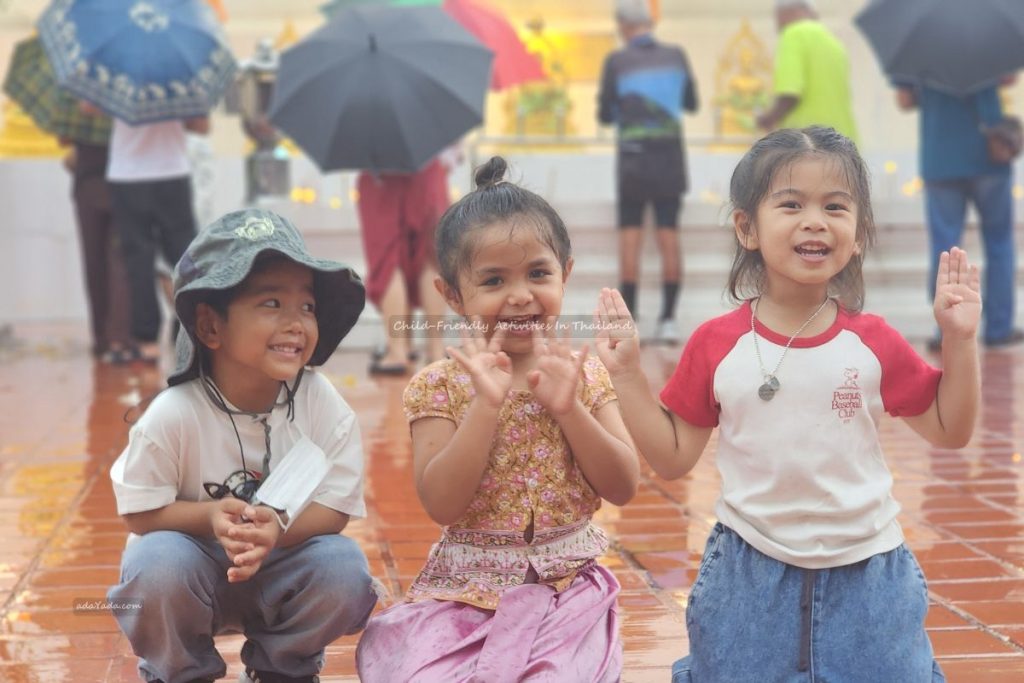
A toddler may enjoy a shaded playground, a short aquarium visit, or a soft-play area. The same child may become tired or overwhelmed during a full-day historical tour.
An older child may be able to walk farther, follow instructions, and enjoy museums, nature trails, workshops, or cultural activities that require more concentration.
Before choosing an attraction, consider:
- How long the child can comfortably walk
- How long the child can remain interested
- Whether the activity requires reading or listening
- Whether there are age, height, or weight restrictions
- Whether younger children can participate safely
- Whether the activity offers enough movement
- Whether the experience may be too loud, dark, crowded, or intense
Age recommendations provided by an attraction can be helpful, but parents should also consider their own child’s personality and development.
Activities For Babies
Babies usually need simple outings with predictable facilities rather than complicated entertainment.
Suitable options may include:
- Quiet shopping centres
- Shaded parks
- Short garden visits
- Calm cafés with space for families
- Indoor attractions with air conditioning
- Short aquarium visits
- Parent-and-baby activity sessions
- Gentle walks in stroller-friendly areas
When choosing child-friendly activities in Thailand for a baby, the facilities may matter more than the attraction itself.
Check whether there are:
- Baby-changing areas
- Comfortable feeding spaces
- Quiet corners
- Reliable air conditioning or shade
- Smooth stroller access
- Nearby toilets
- Easy transport
- Places to sit and rest
A shorter outing close to the hotel or home is often easier than a full-day trip.
Activities For Toddlers
Toddlers usually enjoy activities that allow movement, exploration, repetition, and short breaks.
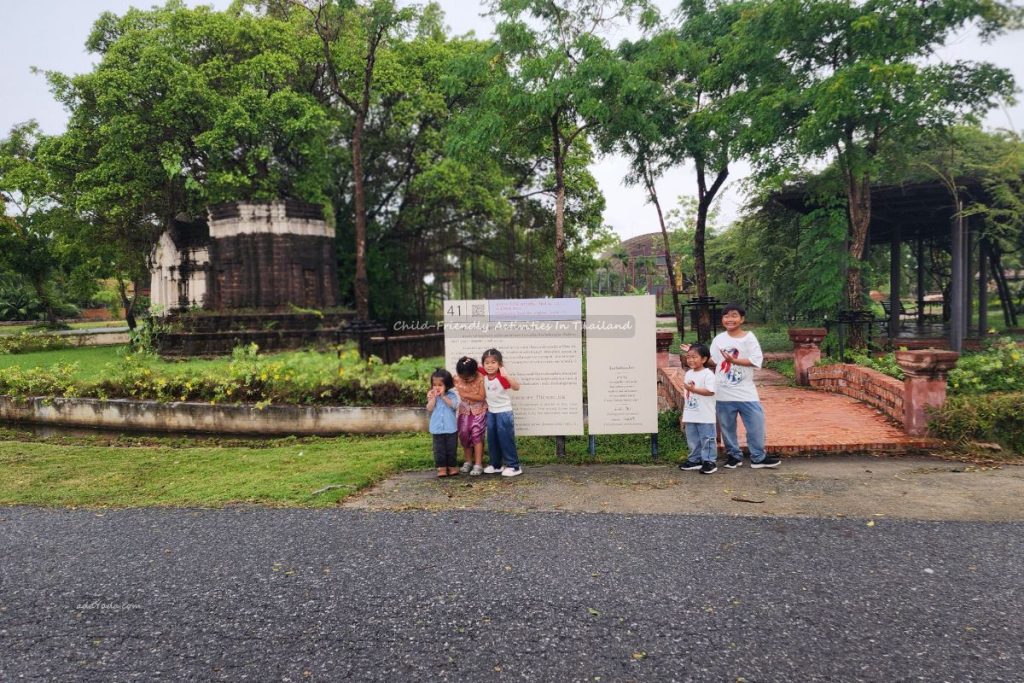
Possible choices include:
- Indoor play centres
- Small playgrounds
- Children’s museums
- Shallow water-play areas
- Animal-viewing areas with safe barriers
- Short beach visits
- Simple craft activities
- Family parks
- Interactive exhibits
Toddlers can change from energetic to tired very quickly. A location may appear suitable but become difficult if it requires long queues, extended walking, or sitting quietly for long periods.
When comparing child-friendly activities in Thailand for toddlers, ask whether the child can move safely without constantly being told to wait or stay still.
Activities For Preschool Children
Preschool children often enjoy imaginative play, animals, simple science exhibits, water activities, crafts, and short cultural experiences.
Good choices may include:
- Children’s discovery centres
- Aquariums
- Zoos with manageable walking routes
- Indoor playhouses
- Art workshops
- Cooking activities designed for families
- Nature gardens
- Short boat rides with proper safety measures
- Family-friendly shows
Preschool children may understand simple explanations but still need regular breaks. Activities that mix learning with movement often work better than long tours.
Activities For School-Age Children
School-age children may be ready for more structured and educational outings.
Possible child-friendly activities in Thailand include:
- Science museums
- Historical attractions
- Nature trails
- Wildlife education centres
- Cycling in safe designated areas
- Beginner sports
- Family cooking classes
- Art and craft workshops
- Cultural demonstrations
- Age-appropriate adventure parks
Children in this age group may enjoy helping to choose the activity. Showing them two or three suitable options can make them more interested in the outing.
Activities For Teenagers
Teenagers may prefer activities that offer independence, challenge, social interaction, or memorable experiences.
Possible options include:
- Photography walks
- Cultural neighbourhoods
- Markets
- Cooking classes
- Sports activities
- Museums connected to personal interests
- Ethical wildlife education
- Nature excursions
- Kayaking or cycling with appropriate supervision
- Creative workshops
- Family-friendly evening events
Teenagers may be less interested in attractions presented as being only for small children. Involving them in planning can help families find activities that work for different age groups.
Consider The Child’s Interests
Age suitability is important, but interests also matter.
One child may enjoy animals, while another prefers vehicles, art, water, music, or climbing. An attraction can be widely described as family-friendly without being enjoyable for every child.
Before choosing child-friendly activities in Thailand, consider whether the child currently enjoys:
- Animals
- Water
- Outdoor movement
- Imaginative play
- Art and crafts
- Music
- Science
- Trains or vehicles
- Food and cooking
- Nature
- History
- Sports
Parents can improve an outing by connecting it to something the child already likes.
For example, a child interested in trains may enjoy travelling by urban rail as part of the experience. A child interested in animals may prefer a short educational visit to a responsible animal centre rather than a long general sightseeing day.
Match The Activity To The Child’s Energy Level
Children do not have the same energy level every day. Sleep, illness, travel, heat, unfamiliar food, and changes in routine can affect their mood and stamina.
A highly active day may not be suitable after a late flight or several busy travel days.
It can help to classify activities as:
- Low-energy
- Moderate-energy
- High-energy
Low-energy activities may include an aquarium, quiet museum, craft session, or short café visit.
Moderate-energy activities may include a park, shopping centre, children’s museum, or short walking tour.
High-energy activities may include a large water park, long nature trip, cycling day, or adventure attraction.
When planning several child-friendly activities in Thailand, alternate busy days with calmer days.
Think Carefully About Thailand’s Heat
Heat is a major consideration when planning outdoor family activities. Children may become hot, tired, thirsty, or irritable faster than adults.
Outdoor attractions that seem easy on a map may feel much harder during the hottest part of the day.
Before choosing an outdoor activity, consider:
- How much shade is available
- Whether air-conditioned areas are nearby
- How long the child will be outside
- Whether drinking water is easy to buy
- Whether the child needs to walk on hot surfaces
- Whether there are rest areas
- Whether the activity can begin early
- Whether the family can leave easily if needed
The best time for some child-friendly activities in Thailand may be early morning or later in the afternoon rather than around midday.
Plan Around The Hottest Hours
For outdoor activities, an early start can make a significant difference.
Families may find it easier to:
- Visit parks in the morning
- Choose beaches earlier or later in the day
- Schedule indoor attractions around midday
- Eat lunch during the hottest period
- Return to the accommodation for a rest
- Continue with a shorter activity in the late afternoon
A full day outdoors may be too demanding for babies, toddlers, and children who are not used to Thailand’s climate.
Instead of planning one long activity, families can divide the day into shorter sections.
Watch For Signs That A Child Needs A Break
Children may not always explain clearly that they are becoming too hot or tired.
Possible signs include:
- Sudden irritability
- Unusual quietness
- Refusing to walk
- Asking to be carried
- Loss of interest
- Complaining of thirst
- Headache
- Looking tired or flushed
- Becoming less responsive
- Crying without an obvious reason
Parents should stop and move to a cooler place when a child appears unwell or overly tired. Family plans should remain flexible enough to allow an early departure.
Prepare For Rain
Thailand’s weather can change quickly, and outdoor plans may be interrupted by rain.
When choosing child-friendly activities in Thailand, check whether the attraction remains usable in wet weather.
Ask:
- Are important areas covered?
- Are outdoor paths likely to become slippery?
- Is there an indoor section?
- Is transport easy during rain?
- Is there somewhere safe to wait?
- Can tickets be changed or reused?
- Is there a nearby indoor alternative?
A light rain shower may not end an outing, but heavy rain can make walking, transport, and outdoor play more difficult.
Create An Indoor Backup Plan
Every outdoor plan should have a realistic indoor alternative.
Possible indoor choices include:
- Children’s museums
- Indoor playgrounds
- Aquariums
- Shopping centres
- Libraries
- Art activities
- Family cafés
- Indoor sports centres
- Craft workshops
- Short cinema visits for age-appropriate films
- Hotel-based activities
The backup location should preferably be near the original activity or accommodation. Travelling across a large city after the weather changes may create more stress than enjoyment.
Planning both indoor and outdoor child-friendly activities in Thailand gives families more flexibility.
Check Safety Before Visiting
A family attraction should not be considered suitable only because it advertises activities for children.
Parents should review practical safety conditions before visiting.
Consider:
- Whether play equipment appears well maintained
- Whether water areas have appropriate supervision
- Whether barriers are secure
- Whether traffic is separated from play areas
- Whether staff explain safety rules
- Whether protective equipment is available
- Whether emergency exits are visible
- Whether surfaces are slippery
- Whether animals are separated appropriately
- Whether age and height limits are enforced
Online reviews may help identify recurring concerns, but parents should still assess the conditions when they arrive.
Keep Supervision Realistic
Some locations require closer supervision than others.
A fenced indoor play area may be easier to manage than a crowded market beside a road. A quiet park may require less constant guidance than a large water attraction.
Before choosing child-friendly activities in Thailand, think about how many adults will be present and how many children need supervision.
Ask:
- Can one adult safely supervise all children?
- Are there separate areas for different ages?
- Can a child leave the activity area unnoticed?
- Are there open water areas?
- Are there crowds where children could become separated?
- Does the activity require one adult per child?
- Can adults see the whole play space?
An activity may be appropriate for one family but difficult for another depending on the number and ages of the children.
Discuss Simple Safety Rules Before Arriving
Parents can reduce confusion by explaining a few rules before entering the attraction.
Examples include:
- Stay where an adult can see you
- Hold hands near roads and transport
- Ask before entering water
- Do not touch animals unless staff allow it
- Stop when an adult calls
- Wait beside a clear landmark if separated
- Do not leave with another person
- Tell an adult when you need the toilet
- Drink water regularly
Keep the rules short and suitable for the child’s age.
Plan For Crowded Places
Markets, festivals, shopping centres, transport stations, and popular attractions can become crowded.
In crowded environments:
- Dress children in easy-to-recognise clothing
- Take a current photograph before entering
- Agree on a meeting point with older children
- Keep younger children within reach
- Write down a parent’s contact information
- Avoid placing valuables in accessible stroller pockets
- Use a stroller only where it can move safely
- Leave if the crowd becomes too difficult to manage
Crowd conditions can change throughout the day, so early visits may be easier.
Consider Water Safety
Beaches, pools, water parks, rivers, and boat trips require careful supervision.
Before selecting water-based child-friendly activities in Thailand, consider:
- Whether life jackets are available in the correct size
- Whether trained staff are present
- Whether the water depth is suitable
- Whether waves or currents may be strong
- Whether pool edges are slippery
- Whether the child can swim
- Whether the area is separated from deeper water
- Whether boats have appropriate safety equipment
- Whether weather conditions are suitable
Adults should remain actively responsible for children near water even when lifeguards or staff are present.
Consider Animal-Related Activities Carefully
Animal attractions can appeal to children, but families should think about safety, hygiene, and animal welfare.
Look for experiences that focus on observation, education, conservation, and respectful treatment.
Be cautious when an activity involves:
- Direct contact with unfamiliar animals
- Poor barriers
- Crowded handling sessions
- Forced performances
- Riding activities
- Young children feeding large animals
- Animals showing signs of distress
- Limited handwashing facilities
Children should wash their hands after touching animals and before eating.
Check Transport Options Before Choosing
Transport can determine whether an activity feels easy or exhausting.
A short attraction visit may become a long family day if it requires multiple transfers, long walks, or waiting in the heat.
Before choosing child-friendly activities in Thailand, check:
- The total door-to-door travel time
- The number of transport changes
- Walking distance from the station or stop
- Whether taxis can reach the entrance
- Whether return transport is easy to find
- Whether the route is suitable for a stroller
- Whether the child needs a car seat
- Whether transport becomes crowded at certain times
- Whether the family will travel during heavy traffic
Travel time should include waiting, transfers, walking, toilet stops, and delays.
Limit Long Travel Days
Young children may not enjoy spending several hours travelling for a short activity.
A useful family plan often combines nearby experiences rather than crossing a city several times.
For example, families may choose:
- One main attraction
- One nearby meal
- One optional short activity
- A direct return route
This can be easier than trying to visit several distant places in one day.
When comparing two child-friendly activities in Thailand, the closer and simpler option may produce the better family experience.
Consider The Return Journey
Parents often plan how to reach an attraction but pay less attention to the return journey.
Before leaving, consider:
- Whether transport will still be operating
- Whether the child will be tired at that time
- Whether traffic will be heavier
- Whether a taxi pickup area is available
- Whether the walk back to transport is shaded
- Whether the stroller will still be practical
- Whether dinner is available nearby
- Whether the child may fall asleep during the journey
A difficult return trip can change how the whole day feels.
Check Toilet Availability
Toilets are essential when planning activities with children.
Before visiting, try to find out:
- Whether toilets are inside the attraction
- Whether they are close to the main activity areas
- Whether baby-changing facilities are available
- Whether smaller children can use them comfortably
- Whether toilet paper and soap are usually provided
- Whether accessible toilets are available
- Whether toilets require payment
- Whether there are long queues
A location with limited toilets may still be manageable for a short visit but difficult for a full family day.
Plan Toilet Stops Before Long Activities
Encourage children to use the toilet before:
- Boarding transport
- Entering a long queue
- Starting a guided tour
- Joining a boat trip
- Beginning a nature trail
- Entering a performance
- Travelling to a remote area
Do not assume a child will mention the need early enough. Younger children may wait until the situation becomes urgent.
Check Food Options
Food availability can strongly affect a family outing.
Before choosing child-friendly activities in Thailand, consider:
- Whether food is sold on-site
- Whether the menu includes simple child-friendly choices
- Whether allergies or dietary needs can be managed
- Whether outside food is permitted
- Whether high chairs are available
- Whether eating areas are shaded or air-conditioned
- Whether food service has long queues
- Whether snacks are available
- Whether drinking water can be purchased easily
Children may not want unfamiliar food when they are already tired, hot, or overstimulated.
Bring Familiar Snacks When Appropriate
A small familiar snack can help during transport, queues, or unexpected delays.
Suitable choices depend on the child and the activity, but parents may consider:
- Fruit
- Crackers
- Simple sandwiches
- Dry snacks
- Water
- Milk when storage is appropriate
- Food already known to be suitable for the child
Check whether outside food is allowed before bringing a full meal into an attraction.
Look For Rest Areas
Rest areas can make a long visit manageable.
Useful facilities include:
- Benches
- Air-conditioned rooms
- Shaded seating
- Family cafés
- Quiet areas
- Picnic spaces
- Nursing rooms
- Indoor waiting areas
When reading attraction information, do not focus only on activities. Look at the layout and determine whether children and adults can stop without leaving completely.
The best child-friendly activities in Thailand allow families to adjust their pace.
Think About Nap Times
Babies and toddlers may need to sleep during an outing.
Consider whether:
- The stroller reclines
- The environment is too noisy
- There is a quiet walking area
- The attraction allows re-entry
- The family can return to the hotel
- Transport time can match the usual nap
- A late activity will disturb bedtime
Skipping a nap may be manageable for some children but may make the rest of the day difficult for others.
Check Stroller Accessibility
A location may describe itself as family-friendly without being easy to navigate with a stroller.
Before visiting, check:
- Whether paths are smooth
- Whether there are steps
- Whether lifts are available
- Whether entrances are wide enough
- Whether the attraction is spread across steep ground
- Whether public transport access is manageable
- Whether strollers are allowed inside
- Whether stroller parking is available
- Whether crowded areas leave enough space
Stroller accessibility can be especially important in the heat because carrying a tired child may quickly become uncomfortable.
Decide Whether A Stroller Will Help
A stroller is not always the best option.
It may be helpful when:
- The attraction involves long walking distances
- The child still naps
- There are smooth indoor paths
- The family needs to carry supplies
- Public transport has lift access
- The location has wide walkways
It may be less practical when:
- There are many steps
- Paths are narrow or uneven
- The location is very crowded
- Transport requires frequent lifting
- The attraction includes sand or rough ground
- Strollers must be left unattended
Parents may choose a lightweight stroller or child carrier depending on the location.
Check Clothing And Footwear Needs
Suitable clothing depends on the activity, location, and weather.
Families may need:
- Lightweight clothing
- Comfortable walking shoes
- Hats
- Swimwear
- A change of clothes
- Rain protection
- Socks for indoor play areas
- Clothing that covers shoulders or knees at certain cultural sites
- Shoes that are easy to remove
- A light layer for strong indoor air conditioning
Check attraction rules before visiting, especially for temples, indoor play centres, sports activities, and water attractions.
Estimate The Real Duration
An attraction may advertise a suggested visit of two hours, but the family’s actual time may be longer.
Add time for:
- Buying tickets
- Queuing
- Toilets
- Meals
- Feeding a baby
- Rest breaks
- Walking from transport
- Changing clothes
- Finding the entrance
- Waiting for a child to finish an activity
When planning child-friendly activities in Thailand, avoid creating a schedule that depends on everything happening perfectly.
Choose One Main Activity
Families often enjoy a day more when it has one clear priority.
A simple plan may be:
- Travel to the main activity
- Spend two or three flexible hours there
- Eat nearby
- Decide whether the child has energy for anything else
- Return before everyone becomes overtired
Adding too many attractions can create pressure to keep moving even when a child needs rest.
Build Flexibility Into The Schedule
A flexible plan should allow the family to:
- Arrive slightly later
- Leave early
- Change the meal time
- Skip a secondary attraction
- Move indoors
- Return to the accommodation
- Take an unexpected rest break
Tickets, reservations, and transport arrangements should be reviewed carefully, but the daily plan should not be so strict that one delay ruins the day.
Compare Indoor And Outdoor Options
Indoor child-friendly activities in Thailand can offer:
- Air conditioning
- Protection from rain
- Easier toilet access
- Predictable surfaces
- Food courts or cafés
- Shorter walking distances
- Controlled play areas
Outdoor options may offer:
- More space
- Nature
- Fresh air
- Physical movement
- Beaches
- Gardens
- Parks
- Cultural surroundings
Neither type is always better. The right choice depends on the weather, child’s age, energy level, transport, and time of day.
Plan A Balanced Family Day
A balanced day may combine:
- An active morning
- A relaxed lunch
- An indoor afternoon
- A short early-evening walk
Another option is:
- A calm morning near the accommodation
- A rest period
- One main activity later in the day
Families do not need to fill every hour. Children may also enjoy swimming at the hotel, playing in a park, or exploring a quiet local area.
Questions To Ask Before Booking
Before paying for an activity, ask:
- Is it suitable for the child’s age?
- Are there minimum height or age limits?
- Is adult supervision required?
- How long does the activity take?
- Is it indoors or outdoors?
- What happens if it rains?
- Are toilets available?
- Is food available?
- Can families bring snacks?
- Is it stroller accessible?
- Are tickets refundable or changeable?
- Is advance booking required?
- Are safety instructions available in a language the family understands?
These questions help families compare child-friendly activities in Thailand more carefully.
Questions To Ask On Arrival
Conditions may differ from what was expected online.
On arrival, ask staff:
- Where are the toilets?
- Where is the first-aid point?
- Are there any restricted areas?
- Which activities suit the child’s age?
- Where can the family rest?
- Is drinking water available?
- Can the stroller enter all areas?
- What time does the attraction close?
- Is re-entry allowed?
- Are there scheduled shows or activities?
Learning the layout early can make the rest of the visit easier.
Signs An Activity May Not Suit Your Family
Parents may decide to change plans when:
- The heat is stronger than expected
- The child is already tired
- Safety equipment appears unsuitable
- The location is too crowded
- Toilets are not accessible
- Food options do not meet the family’s needs
- The child is frightened or uncomfortable
- The activity requires more supervision than available
- Rain makes paths unsafe
- The return journey is becoming difficult
Leaving early is not a failed outing. It may be the safest and most comfortable choice.
Common Family Planning Mistakes
Choosing Only By Online Photos
Promotional images may not show queues, distances, heat, crowds, or limited facilities.
Ignoring The Child’s Age
An attraction may welcome children but still be designed mainly for older visitors.
Planning Outdoor Activities At Midday
The heat may reduce how long children can comfortably participate.
Underestimating Transport Time
Traffic, waiting, transfers, and walking can add significant time.
Forgetting Toilets And Food
An exciting activity can become difficult when basic needs are not easy to meet.
Assuming Every Place Is Stroller-Friendly
Steps, narrow paths, crowds, and uneven surfaces may create problems.
Planning Too Many Activities
Children may enjoy one relaxed experience more than several rushed attractions.
Having No Weather Alternative
Rain or extreme heat can change the day quickly.
Avoiding these mistakes makes it easier to select suitable child-friendly activities in Thailand.
A Simple Activity-Planning Checklist
Before choosing an activity, review these areas:
Age: Is the activity suitable for the child’s age and abilities?
Interest: Does it match something the child enjoys?
Weather: Is the location manageable in heat or rain?
Safety: Are supervision, barriers, and equipment appropriate?
Transport: How long will the complete journey take?
Facilities: Are toilets, food, water, and rest areas available?
Stroller: Can the family move around easily?
Timing: Does the visit fit meals, naps, and bedtime?
Backup: Is there an indoor or nearby alternative?
If several answers are unclear, contact the attraction before booking.
👉 “
Parents planning family activities may also find this practical guide to child-friendly Thai food useful when choosing suitable meals and snacks during the day.
“
Conclusion
Choosing child-friendly activities in Thailand requires more than finding popular family attractions. The best choice should match the child’s age, interests, energy level, and daily routine.
Babies and toddlers usually benefit from shorter outings, easy transport, reliable toilets, quiet rest areas, and stroller access. Older children may enjoy longer visits, workshops, museums, nature activities, or cultural experiences.
Thailand’s heat can make outdoor activities more demanding. Plan outdoor visits earlier or later in the day, carry water, use shaded rest areas, and remain ready to shorten the outing.
Safety and supervision should remain central when comparing child-friendly activities in Thailand. Check barriers, equipment, water areas, traffic, crowds, and whether one adult can realistically supervise all participating children.
Transport should be calculated from door to door. Include walking, waiting, transfers, traffic, and the return journey rather than only looking at the distance on a map.
Basic facilities can determine whether an outing works well. Check toilets, baby-changing areas, food, drinking water, seating, air conditioning, shade, and places where children can rest.
Stroller accessibility should be confirmed rather than assumed. Look for smooth paths, lifts, wide entrances, and manageable public transport connections.
Families should also prepare both indoor and outdoor alternatives. A backup plan makes it easier to respond to rain, heat, tiredness, or unexpected closures.
The most suitable child-friendly activities in Thailand are not necessarily the longest or most expensive. They are the activities that allow children and adults to feel safe, comfortable, interested, and able to enjoy the day at a realistic pace.
FAQ
How Do I Choose An Activity For A Toddler In Thailand?
Choose a short activity with room to move, nearby toilets, shade or air conditioning, food, rest areas, and simple transport.
What Time Is Best For Outdoor Family Activities?
Early morning or later afternoon may be more comfortable than the hottest part of the day.
Should Every Outdoor Plan Have An Indoor Alternative?
Yes. An indoor backup can help when heavy rain, strong heat, or tiredness changes the original plan.
What Safety Details Should Parents Check?
Check barriers, supervision, equipment, water safety, traffic, crowd levels, emergency access, and age restrictions.
How Much Travel Time Is Reasonable With Children?
It depends on the child’s age and routine. Calculate the full door-to-door journey, including waiting, walking, transfers, and the return trip.
Which Facilities Are Most Important For Families?
Toilets, changing areas, drinking water, suitable food, shade, air conditioning, seating, and quiet rest areas are especially useful.
How Can I Check Whether An Attraction Is Stroller-Friendly?
Look for smooth paths, lifts, wide entrances, accessible transport, stroller parking, and information about stairs or uneven ground.
Are Indoor Activities Better During Hot Weather?
Indoor activities can be easier around midday because they often provide air conditioning, toilets, food, and predictable walking surfaces.
Should Families Book Several Attractions In One Day?
One main activity with an optional nearby second activity is often easier than a tightly packed schedule.
What Should Parents Do If A Child Becomes Tired Or Uncomfortable?
Stop, rest in a cooler or quieter place, offer water when appropriate, and shorten or end the outing when necessary.