








- Introduction
- Choosing the Right School: A Family's First Step in Education
- Choosing the Right Education for Your Family in Thailand
- Creating a Family-Friendly Learning Environment at Home
- Navigating International Schools in Thailand
- Creating a Family-Friendly Education Plan
- Preparing Your Family for a Smooth Transition
- Conclusion
- FAQ
- Why is simple guide to family education in thailand useful?
- How can beginners use simple guide to family education in thailand?
- What are some of the best international schools in Thailand?
- How do I choose the right school for my child?
- What are some learning activities that can be done at home?
- How do I balance work and family life in Thailand?
- What are some family-friendly activities to do in Thailand?
- How can I support my child's education in Thailand?
- What are some common challenges faced by parents in Thailand?
Introduction
simple guide to family education in Thailand is the main topic of this guide, and the article explains it with practical details, useful examples, and beginner-friendly advice.
Thailand is a popular destination for families looking to relocate and start a new life. With its rich culture, beautiful beaches, and delicious cuisine, it’s no wonder why many parents choose Thailand as the perfect place to raise their children. However, navigating the Thai education system can be overwhelming, especially for those who are new to the country.
In this simple guide to family education in Thailand, we will provide you with practical advice and helpful tips on how to navigate the Thai education system. From choosing the right school to understanding the curriculum, we’ll cover it all. Whether you’re a parent looking to relocate to Thailand or an expat who wants to understand the local education system better, this guide is for you.
👉 “Parents exploring education options may also want to read about the Top 10 Benefits of Montessori Homeschooling for Kids.”
Choosing the Right School: A Family’s First Step in Education
When it comes to choosing the right school for your child, there are several factors to consider. In Thailand, there are two main types of schools: public and private. Public schools are free and funded by the government, while private schools charge tuition fees.
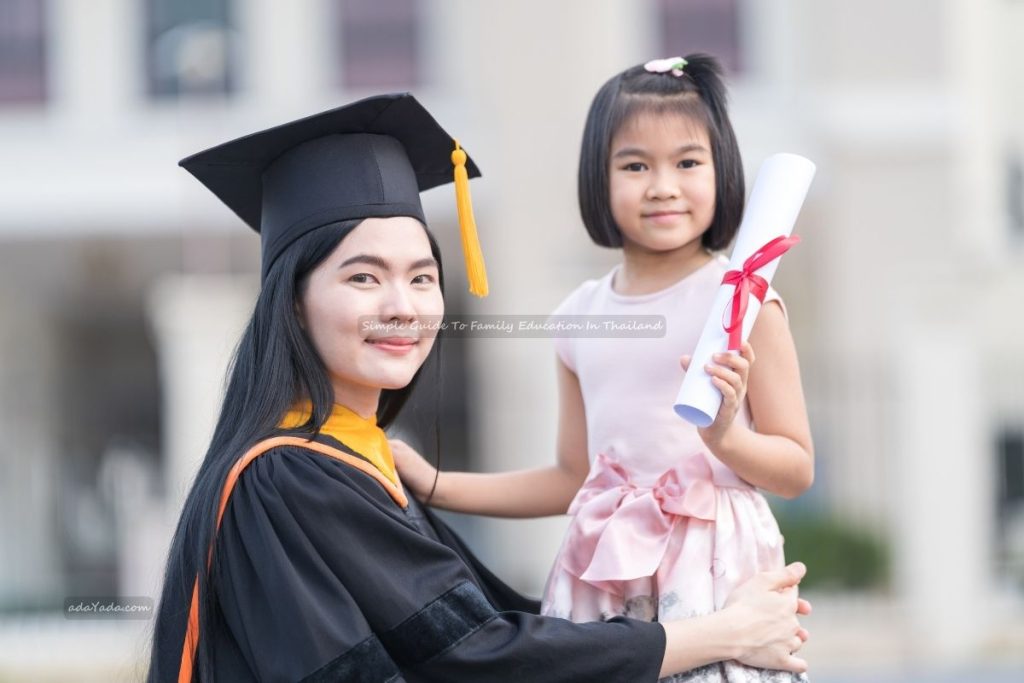
For families who want a more international education experience, there are many excellent international schools in Thailand that offer curricula such as the International Baccalaureate (IB) or the American Curriculum. These schools often have smaller class sizes, experienced teachers, and a range of extracurricular activities to keep your child engaged.
Some popular international schools in Thailand include the International School Bangkok, the British International School of Bangkok, and the Singapore International School Bangkok. When choosing an international school, consider factors such as location, curriculum, and extracurricular activities that align with your family’s values and needs.
In our next section, we’ll explore the different types of schools available in Thailand and provide more information on how to choose the right one for your child.
Choosing the Right Education for Your Family in Thailand
When it comes to choosing the right education for your family in Thailand, there are several factors to consider. International schools and local Thai schools both have their pros and cons. Here are some things to think about when making your decision.
For example, if you’re looking for a school that will provide your child with a well-rounded education that includes subjects like English, math, science, and social studies, an international school may be the way to go. These schools often follow the same curriculum as schools in other countries, such as the US or UK, which can give your child a head start when it comes to college applications.
On the other hand, if you’re looking for a school that will immerse your child in Thai culture and language, a local Thai school may be a better fit. These schools often place a strong emphasis on teaching children about their heritage and traditions, which can be a great way to help them develop a sense of identity.
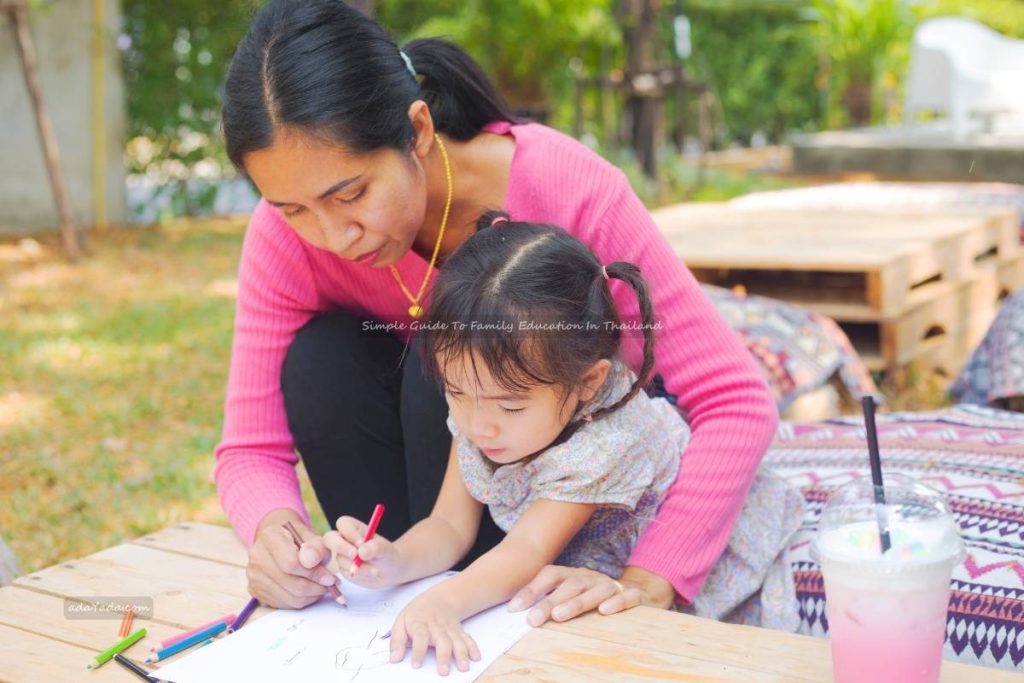
Ultimately, the decision comes down to what’s best for your family. Consider factors like cost, location, and curriculum when making your choice.
Creating a Family-Friendly Learning Environment at Home
Creating a family-friendly learning environment at home can be easy and fun. Here are some practical tips to get you started:
* Set up a dedicated learning space in your home that is free from distractions.
* Encourage your child to take ownership of their learning by letting them choose what they want to study each day.
* Make learning activities fun and engaging by incorporating games, puzzles, and hands-on projects into your routine.
* Use online resources like educational apps and websites to supplement your child’s learning.
* Spend quality time with your child doing things you both enjoy, like reading together or playing a sport.
By creating a family-friendly learning environment at home, you can help your child develop a love of learning that will last a lifetime.
Navigating International Schools in Thailand
For families with children who require a Western-style education or have specific learning needs, international schools in Thailand can be an excellent option. These schools cater to students from around the world and offer curricula such as the International Baccalaureate (IB) or Cambridge International Examinations.
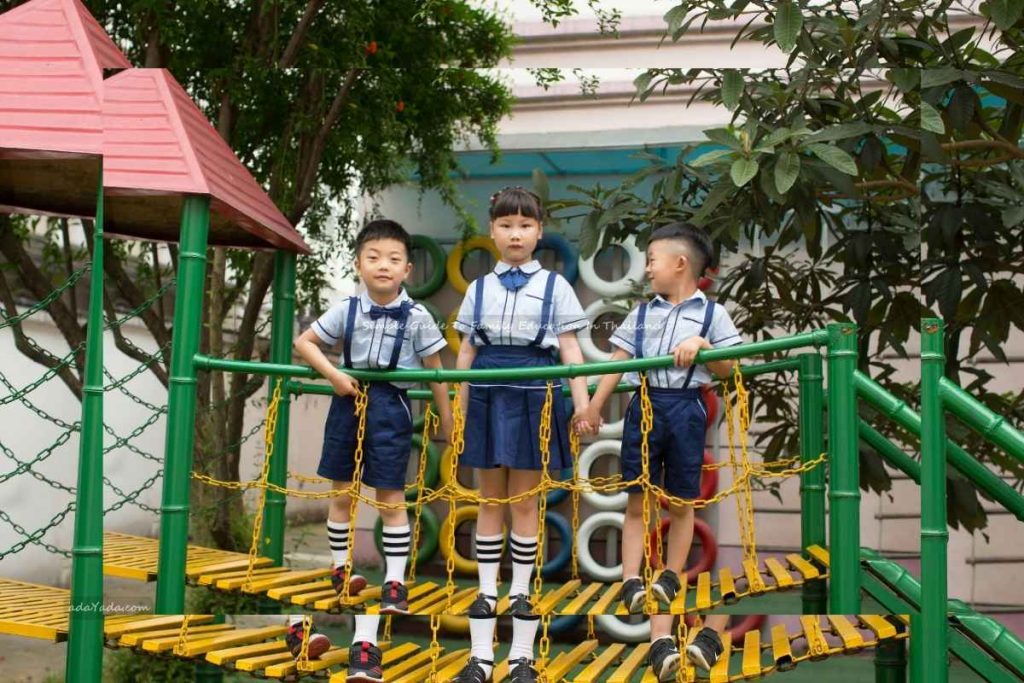
When researching international schools in Thailand, consider factors like location, curriculum, and extracurricular activities. Some popular international school chains in Thailand include the British International School of Bangkok, the International School of Bangkok, and the Singapore American School.
Key Considerations for Choosing an International School
- Curriculum: Does the school offer a curriculum that aligns with your child’s needs?
- Location: Is the school conveniently located near your home or workplace?
- Extracurricular activities: Are there opportunities for your child to engage in sports, music, or other hobbies outside of class?
- Cost: What are the tuition fees and what additional costs can you expect?
It’s also essential to visit schools in person and meet with teachers and administrators to get a sense of the school culture and community. This will help you determine if the school is a good fit for your family.
Creating a Family-Friendly Education Plan
A family-friendly education plan can be tailored to suit your child’s unique needs and learning style. Consider incorporating activities that promote physical activity, creative expression, and socialization into your daily routine.
Some ideas for family-friendly learning activities include:
- Outdoor games and sports
- Cooking or baking together
- Visiting museums or cultural events
- Learning a new language or instrument together
By incorporating these activities into your daily routine, you can create a supportive and engaging learning environment that fosters your child’s growth and development.
Preparing Your Family for a Smooth Transition
When planning your family’s move to Thailand, there are several factors to consider that can make or break the transition. One of the most important things you can do is to prepare your children for their new school life in Thailand.
Researching schools and programs beforehand can help you find the best fit for your child’s needs and interests. Look into international schools in Thailand that offer curricula such as IB, AP, or British National Curriculum. Some popular options include the International School of Bangkok, Bangkok Patana School, and the Singapore American School.
Another crucial aspect to consider is extracurricular activities that will keep your children engaged and active during their free time. Many international schools in Thailand offer a range of sports, music, art, and cultural programs that cater to different interests and skill levels. Some popular options include swimming, soccer, ballet, and Thai dance.
In addition to school and extracurricular activities, it’s also essential to plan for your family’s daily life in Thailand. This includes finding suitable housing, setting up healthcare and insurance plans, and getting familiar with local customs and traditions.
To make the transition smoother, consider the following tips:
- Visit schools and meet teachers before the move to get a feel for the school environment.
- Research local healthcare options and ensure you have adequate health insurance coverage.
- Learn some basic Thai phrases to help your family navigate everyday situations.
By taking these extra steps, you can set your family up for success in Thailand and make the most of your time here. With careful planning and preparation, you can create a happy and fulfilling life for yourself and your loved ones.
👉 “Alongside school planning, it is also useful to know what to expect when buying Clothing In Thailand.”
Conclusion
By understanding simple guide to family education in Thailand, readers can make better choices and apply the ideas in a simple, practical way.
In conclusion, family education in Thailand offers a unique opportunity for families to immerse themselves in Thai culture while providing their children with a high-quality international education. By following this simple guide and doing some extra planning, you can ensure a smooth transition for your family and set yourself up for success in this beautiful country.
Readers learning about simple guide to family education in Thailand often want clear examples, simple explanations, practical benefits, and safe ways to apply the information.
FAQ
Why is simple guide to family education in thailand useful?
simple guide to family education in thailand is useful because it gives readers a clear starting point and helps them understand the topic step by step.
How can beginners use simple guide to family education in thailand?
Beginners can use simple guide to family education in thailand by starting with simple tips, learning the basic ideas, and applying them gradually.
What are some of the best international schools in Thailand?
The quality and reputation of international schools in Thailand vary greatly depending on factors such as location, curriculum, and extracurricular activities. Some of the top international schools in Thailand include the International School Bangkok, Bangkok Patana School, and Singapore International School Bangkok.
How do I choose the right school for my child?
Choosing the right school for your child can be a daunting task, especially with so many options available. Consider factors such as curriculum, teaching style, extracurricular activities, and location when making your decision. It’s also essential to research the school’s reputation, student-teacher ratio, and graduation rates.
What are some learning activities that can be done at home?
There are many fun and engaging learning activities that can be done from the comfort of your own home. Some ideas include setting up a science station with household items, creating a reading nook with books and pillows, or even starting a small garden to teach kids about botany.
How do I balance work and family life in Thailand?
Balancing work and family life can be challenging, especially when working long hours or dealing with cultural differences. Make time for your family by scheduling regular date nights, taking weekend trips together, and prioritizing quality time with your loved ones.
What are some family-friendly activities to do in Thailand?
Thailand is a paradise for families, with its beautiful beaches, delicious food, and vibrant culture. Some popular family-friendly activities include visiting the Bangkok Zoo, taking a cooking class together, or exploring the ancient ruins of Ayutthaya.
How can I support my child’s education in Thailand?
Supporting your child’s education is crucial for their academic success and future prospects. Encourage them to ask questions, seek help when needed, and stay organized with a planner or calendar. You can also attend parent-teacher conferences, volunteer at school, and participate in PTA activities.
What are some common challenges faced by parents in Thailand?
Parents in Thailand face many challenges, including cultural differences, languages barriers and access to resources. Staying connected with other parents, seeking support from your child´s teacher or school, counselor and staying organized can help you overcome these challenges.